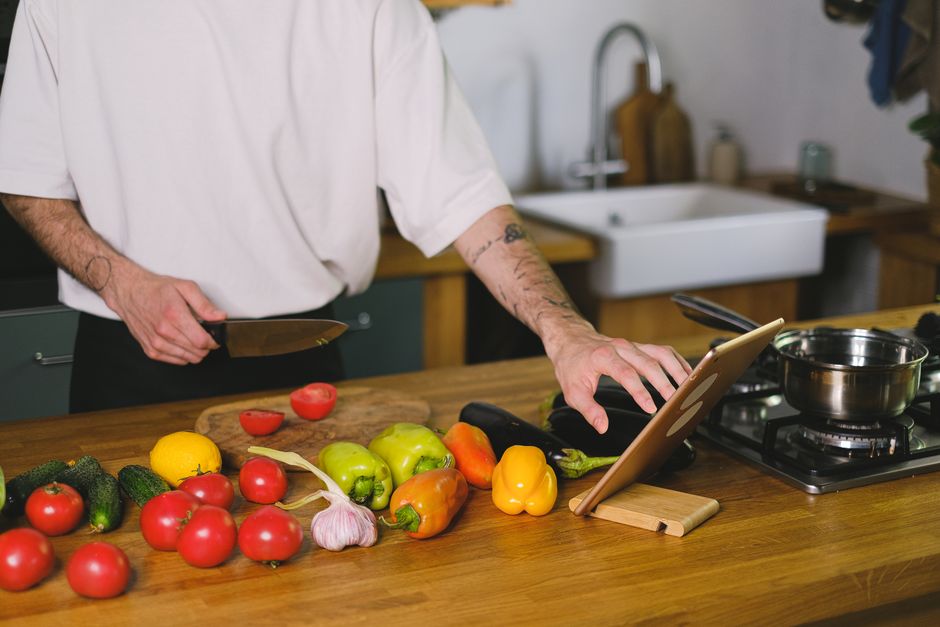
Learn how our recipes are developed, tested, and presented to ensure clear instructions and reliable results.
Our Recipe Development Framework
At Chef's Journey, we employ a systematic approach to recipe development, emphasizing clarity and consistency for home cooks. Each recipe is crafted through structured testing, with each step and ingredient measured and documented. Neutral observation and refinement are integral to our methodology, acknowledging that variability in ovens, tools, and ingredients can influence final dishes. We present every recipe as straightforward instructions, offering detailed techniques without promise of perfection. Instead, we provide a framework for exploring techniques and building kitchen confidence. Our transparent process shares insights on technique and flavor, supporting cooks in their kitchen practice, while respecting that outcomes depend on many individual and environmental factors.
Development and Testing Approach
01
Concept and Ingredient Selection
Recipes begin with a concept and suitable ingredients chosen for flavor and availability.
02
Iterative Draft Instructions
Instructions are drafted and revised, focusing on clarifying sequences and techniques.
03
Test Batches and Adjustments
Test batches are prepared to assess the structured steps, adjusting measurements and methods.
04
Photo Documentation and Presentation
Final output is documented with step-by-step imagery to visually support written directions.
Our Recipe Framework
Within our recipe framework, we prioritize clear, structured instructions. Each procedure is segmented into distinct steps with precise measurements and contextual notes. We aim for transparency in ingredient sourcing and technique description, recognizing that equipment variations and individual skill influence the outcome. This approach emphasizes method over mastery, offering readers a dependable reference point for their culinary explorations.
Our Methodical Approach to Recipe Sharing
At Chef's Journey, we approach culinary education through a lens of methodological clarity. Our recipes are crafted as educational tools, emphasizing step-by-step processes over guaranteed outcomes. Each dish is tested systematically across various conditions to ensure instructions are understandable and adaptable. We focus on technique and ingredient behavior, not personal preferences. This neutral perspective allows home cooks to build skills and adapt methods to their own kitchens. By presenting personal experience in a structured way, we offer a framework for exploration, not a directive for replication. We believe understanding the why behind each step enriches the cooking experience and empowers and trusts individual judgment.
Refining Recipes Through Feedback and Adaptation
Our recipe testing process is iterative. Each recipe undergoes multiple rounds of preparation, during which we observe how factors like ingredient freshness, humidity, and oven calibration can influence the final dish. We consider variations ‒ such as substituting gluten-free flour or adjusting spice levels ‒ to accommodate personal preferences and dietary needs. Readers' comments and suggestions also inform how we frame guidance, as they often highlight local adaptations. We present recipes as adaptable frameworks rather than rigid mandates, acknowledging that individual techniques and equipment differ. Outcomes depend on variables beyond our control, including the quality of ingredients, timing, and environmental conditions. Our notes aim to describe general principles and typical behavior, inviting cooks to use their judgment. We do not prescribe rules or guarantee identical results, instead we encourage experimentation and adjustments to suit each kitchen's context.
Weekly recipes and cooking tips for your kitchen
Join our newsletter to receive a new global recipe each week, along with ingredient notes and technique guidance.
We use cookies
We use cookies to ensure the proper functioning of the website, analyze traffic, and improve your experience. You can accept all cookies or reject them — the site will continue to operate. For more details, read our Cookie Policy.