How to Make Authentic Italian Carbonara at Home
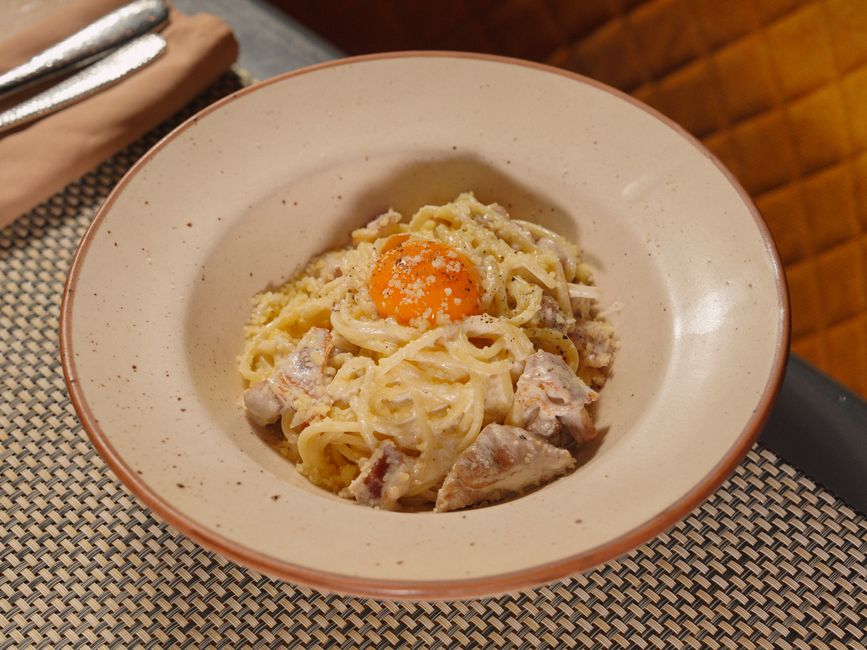
Carbonara is one of the most beloved Roman pasta dishes, yet its simplicity often masks the technique required to achieve the perfect creamy, silky sauce without scrambling the eggs. This article explores the traditional method of preparing carbonara at home, focusing on the core ingredients, the step-by-step process, and the common pitfalls to avoid. Whether you are a novice cook or an experienced home chef, understanding the principles behind this classic dish will help you replicate its authentic texture and flavor.
At its heart, carbonara relies on a few high-quality components: eggs, Pecorino Romano cheese, guanciale (or pancetta as a substitute), and black pepper. The magic happens when the hot pasta and rendered fat are combined with the egg-cheese mixture to create a rich, clinging sauce. The key is to work quickly and manage the temperature carefully. This guide will walk you through each stage, from ingredient selection to the final toss, ensuring that you can enjoy a plate of carbonara that honors the Roman tradition.
Before diving into the recipe, it is helpful to clarify some misconceptions. Authentic carbonara contains no cream, no garlic, and no peas. The creaminess comes solely from the emulsion of eggs, cheese, and pasta water. Additionally, the traditional meat is guanciale, which is cured pork jowl, offering a distinct flavor and fat content. Pancetta, a cured pork belly, is a common substitute and will be used in this guide because it is more readily available in many regions. Even with pancetta, the dish can remain authentic in spirit if the technique is respected.
Ingredients and Preparation
Gathering the right ingredients is the first step toward a successful carbonara. For four servings, you will need 400 grams of spaghetti (or another long pasta like tonnarelli), 150 grams of guanciale or pancetta, cut into small cubes or strips, 4 large egg yolks (or 3 whole eggs if preferred), 100 grams of Pecorino Romano cheese, freshly grated, and freshly ground black pepper to taste. Additionally, a small amount of salt for the pasta water is necessary, but keep in mind that the cheese and cured meat are already salty, so go easy.
Before starting to cook, prepare all your ingredients. Grate the Pecorino Romano, ensuring it is fine for easy melting. Cut the guanciale or pancetta into uniform pieces, about 1/4 inch thick, to render evenly. Crack the eggs and separate the yolks, then whisk them in a bowl with the grated cheese and a generous amount of black pepper. This mixture should be thick and pasty; it will loosen with pasta water later. Have a ladle and a large bowl ready for the final mixing.
The choice of pasta is also important. Spaghetti is classic, but other long shapes like bucatini or tonnarelli are also traditional. Use a high-quality bronze-die pasta, which has a rough texture that helps the sauce adhere better. Fill a large pot with water, bring it to a boil, and season it with salt until it tastes mildly salty, like the sea. While the water is heating, you can begin cooking the pancetta.
Cooking the Pancetta or Guanciale
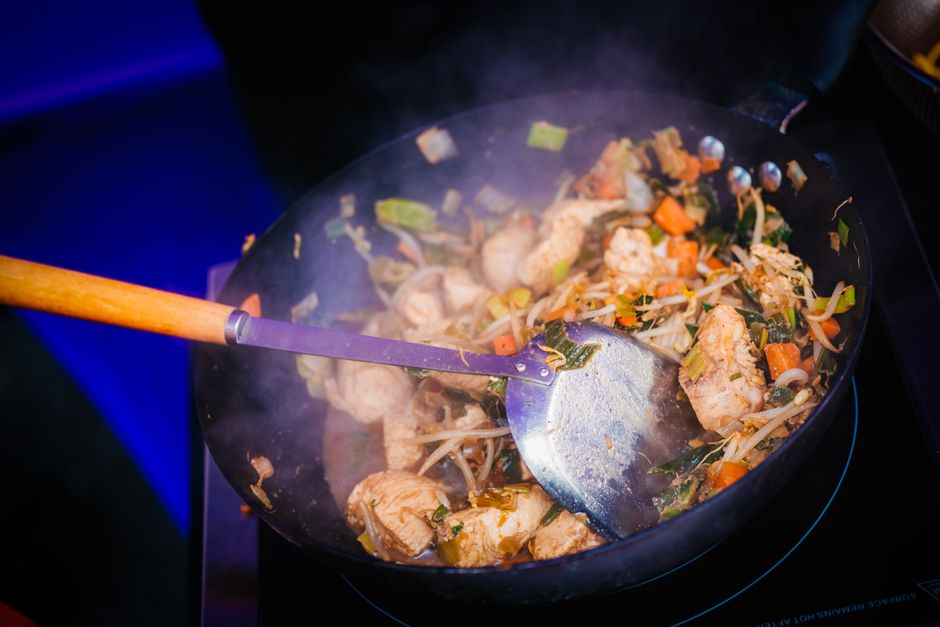
Place a large skillet over medium heat. Add the pancetta or guanciale without any extra oil, as the meat will release its own fat. Cook it slowly, stirring occasionally, until the pieces become crispy and golden brown. This process should take about 5 to 7 minutes. Be careful not to burn the meat, as that would introduce a bitter flavor. Once done, turn off the heat and set the skillet aside, but do not remove the fat; it is essential for the sauce.
Some recipes call for rendering the meat until crisp, while others prefer it slightly chewy. The texture you choose is a matter of personal preference, but the fat must be fully rendered to contribute to the sauce. If you are using guanciale, you may find that it renders more fat and has a more delicate flavor than pancetta. Adjust the heat accordingly to prevent the meat from becoming leathery.
When the pancetta is ready, keep it warm but not hot. The skillet should be off the heat to avoid scrambling the eggs later. If you are using a burner that retains heat, you may need to transfer the pancetta to a bowl, leaving the fat in the skillet, and handle the skillet with care.
Mixing the Egg and Cheese Mixture
In a separate bowl, combine the egg yolks and the grated Pecorino Romano. Whisk them together until a smooth paste forms. The mixture will be quite thick, but it should be uniform with no streaks of egg or cheese. Add a generous amount of freshly ground black pepper. The cheese should be freshly grated from a block of Pecorino Romano; pre-grated cheese often contains anti-caking agents that prevent smooth melting.
At this stage, the egg-cheese mixture is ready to be combined with the pasta. However, you need to temper it to prevent curdling. This is achieved by adding a small amount of hot pasta water to the mixture while whisking continuously. Usually, about half a cup is enough, but you can add more or less depending on the consistency. The pasta water serves multiple purposes: it loosens the sauce, helps the cheese melt, and adds starch that aids in emulsification.
It is crucial to use the reserved pasta water, not plain water, because the starch in the cooking water helps to create a silky, clinging sauce. The amount of pasta water needed may vary depending on the type of cheese and the humidity of the eggs. Start with a little and add more gradually until the mixture has a creamy, pourable consistency, similar to ordinary cream.
Cooking the Pasta and Combining Everything
Once the water is boiling, add the spaghetti and cook it according to the package instructions until it is al dente. Al dente literally means ‘to the tooth,’ indicating that the pasta should still have a slight firmness. Remember that the pasta will continue to cook slightly when combined with the sauce, so it is better to undercook it by a minute or two. Before draining, reserve at least one cup of the pasta water.
When the pasta is ready, transfer it directly to the skillet with the pancetta and fat using tongs, or drain it and then add it to the skillet. It is important to work quickly but carefully. Over medium-low heat, toss the pasta in the rendered fat to coat it thoroughly. This step infuses the pasta with the flavor of the meat and prepares it for the sauce.
Now, remove the skillet from the heat. This is critical: if the skillet is too hot, the eggs will scramble. Allow the skillet to cool for a few seconds, then pour the egg-cheese mixture over the pasta while tossing continuously. Use a pair of tongs or a wooden spoon to mix the pasta thoroughly, ensuring that every strand is coated. The residual heat from the pasta and the fat will cook the eggs gently, forming a creamy sauce. If the sauce appears too thick, add a splash of reserved pasta water to loosen it, tossing until you achieve the desired consistency.
Serving and Common Mistakes to Avoid
Carbonara is best served immediately, plate it right away to enjoy its luxurious texture. It does not reheat well, and the sauce can become oily or clumpy if left to sit. Portion the pasta into warm bowls, and top each with an extra grating of Pecorino Romano and a crack of black pepper. Do not skimp on the pepper; it is an integral part of the dish, providing a gentle heat that contrasts with the richness.
To achieve the perfect carbonara, it is helpful to be aware of common errors. One frequent problem is using whole eggs instead of just egg yolks, which can make the sauce thinner. Yolks alone give a richer, creamier result. Another is overheating the eggs; always remove the pan from the heat before adding the egg mixture. Also, be cautious with the amount of pasta water; adding too much can make the sauce watery, while too little can leave it clumpy. Finally, do not wash the pan with soap after cooking the meat if you plan to reuse it immediately; instead, wipe it with a paper towel to remove excess oil while retaining flavor.
Understanding the science behind the sauce can also help you troubleshoot. The heat from the pasta and the skillet’s residual heat cook the eggs gently, creating an emulsion. The starch from the pasta and the fat from the meat work together to stabilize the sauce. If you find your sauce is too thick, a little more pasta water will thin it. If it is too thin, toss the pasta over low heat for a few more seconds, but be cautious not to overcook the eggs.
Authentic carbonara is a dish that rewards attention to detail and respect for its humble ingredients. By following this method, you can bring a taste of Rome into your home kitchen.
In conclusion, making authentic carbonara at home is about mastering a few key techniques and using simple ingredients. Each step, from the slow rendering of the meat to the final toss off the heat, contributes to the dish’s characteristic richness. While it may take a few tries to perfect, the reward is a satisfying, comforting plate of pasta that is both elegant and rustic. With practice, you will develop the intuition to adjust the consistency and seasonings to your taste, all while staying true to the Italian culinary tradition.