Pad Thai with Shrimp Made with Authentic Tamarind Paste
Pad Thai is one of the most recognized dishes of Thai cuisine, yet its complexity often remains overlooked outside of Thailand. This stir-fried noodle dish harmonizes a quartet of flavors: sweet, sour, salty, and a subtle umami depth that comes from fermented ingredients. Achieving that balance requires understanding the role of each component and how they interact under high heat. In this article, we will explore the process of making shrimp pad thai with authentic tamarind paste, focusing on the methodology behind each step.
The central flavor triangle in pad thai consists of tamarind paste for sourness, fish sauce for saltiness, and palm sugar for sweetness. These three ingredients form the foundation of the sauce that coats the noodles. Authentic tamarind paste, derived from the fruit of the tamarind tree, provides a fruity tang that cannot be replicated by vinegar or lemon juice. Fish sauce, made from fermented anchovies, contributes a pungent saltiness that deepens the overall savoriness. Palm sugar, with its caramel-like notes, softens the sharp edges and rounds out the sauce. Together, they create a dynamic profile that is both distinctive and balanced.
Preparation and cooking techniques play a crucial role in the final result. The order of adding ingredients, the heat level, and the freshness of components all influence the dish’s texture and flavor. By examining each step, from soaking the noodles to tossing the final elements, one can appreciate the precision required. This article will guide you through the process, offering insights into the why and how of making shrimp pad thai in a home kitchen.
Understanding the Core Ingredients
Authentic tamarind paste is typically sold in block form, which requires soaking in warm water to extract the liquid. The process involves breaking off a portion, soaking it in hot water for about 20 minutes, then mashing and straining to obtain the puree. This soaking step is essential because it releases the natural pectin and flavors. Alternatively, some markets offer tamarind concentrate, but the whole paste provides a fresher, more nuanced sourness. In this recipe, we will use the traditional soaking method to highlight the authenticity of the ingredient.
Fish sauce is another pillar of Thai cooking. Its high sodium content and distinct aroma come from the prolonged fermentation of fish and salt. The quality of fish sauce varies; premium brands often have a clearer color and a more balanced saltiness. For pad thai, it is best to use a brand that you would also enjoy as a dipping sauce. If you are unfamiliar with fish sauce, note that it should not be used excessively; a small amount goes a long way.
Palm sugar is derived from the sap of palm trees and is less sweet than refined cane sugar, carrying hints of honey and toffee. It is sold in solid cakes or jars as a syrup. To measure it, you may need to grate or soften it. In a stir-fry, palm sugar dissolves quickly under high heat, but pre-mixing it with other liquids ensures even distribution. The sweetness is crucial to temper the acidity of tamarind and the saltiness of fish sauce.
Aside from these three, other essential ingredients include rice noodles (pad thai noodles), shrimp, eggs, tofu, and bean sprouts. The noodles are typically soaked in cold water before cooking, not boiled, to achieve a chewy yet tender texture. Shrimp, often of medium size, are added raw and cooked through during the stir-fry. Tofu provides a subtle contrast, while bean sprouts offer crunch and freshness.
Preparing the Tamarind Paste
To make the tamarind liquid, take about 50 grams of tamarind paste and place it in a bowl. Pour 1/2 cup of warm (not boiling) water over the tamarind and let it soften for 20 minutes. Using your fingers, mash the tamarind to break up the fibers, then strain the mixture through a sieve to remove seeds and tough pieces. The resulting thick liquid should be smooth and slightly sticky. This is the tamarind concentrate that will flavor the sauce. You can prepare it ahead of time and store it in the refrigerator for up to a week.
When measuring, keep in mind that the potency of tamarind can vary based on the batch and how long it has been soaked. In this recipe, you will need about 3 tablespoons of tamarind liquid. Feel free to adjust after tasting your sauce, but remember that the flavor will mellow during cooking.
Crafting the Pad Thai Sauce
The sauce is a simple combination of tamarind liquid, fish sauce, and palm sugar, often with a hint of water to adjust consistency. For one serving, you might mix 3 tablespoons of tamarind liquid, 2 tablespoons of fish sauce, and 1 1/2 tablespoons of palm sugar (grated). Some recipes also include a teaspoon of Thai chili paste (or paprika) to add a subtle heat and red color, but it is optional. Stir these ingredients until the sugar dissolves; if the sugar is lumpy, you can warm the mixture gently.
The key is to balance the three flavors: sour, salty, and sweet. Tasting the sauce at this stage can guide you: it should be quite intense, as the noodles and other ingredients will dilute it. If it tastes too sour, add more sugar; if too salty, a bit more tamarind. However, remember that the sauce will reduce slightly during stir-frying, concentrating its flavors.
Prepping and Cooking the Dish
Start by soaking 150 grams of dried rice noodles (about 1/4 of a typical package) in cold water for 30 to 45 minutes until they are pliable but still firm. They will be finished in the wok, so they should not be fully soft. Drain them well. Meanwhile, prepare your shrimp (peel and devein), press tofu and cut into small cubes, and mince garlic.
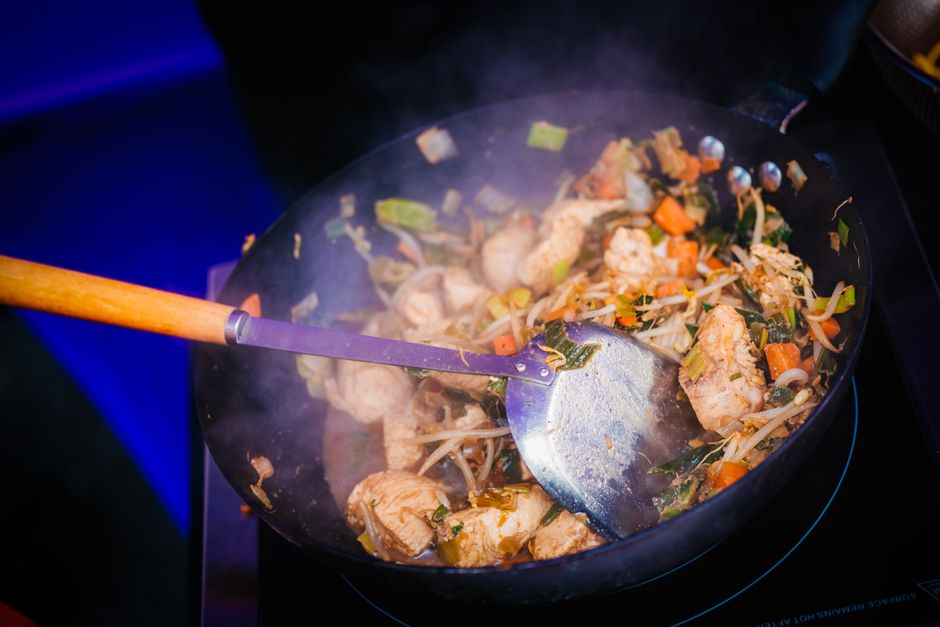
Heat a wok or large skillet over high heat until it begins to smoke. Add a little vegetable oil, then stir-fry the garlic and tofu for about 30 seconds. Push them to one side, add an egg, and scramble it quickly. Add the shrimp and cook until they turn pink, which may take another minute. Then add the drained noodles, followed by the tamarind-fish sauce mixture. Toss everything together with long strokes to coat the noodles evenly. The high heat will create a slight char and reduce the liquid.
As the noodles soften, incorporate the bean sprouts and a handful of garlic chives (or scallions). Continue tossing for another minute until the sprouts are just wilted but still crisp. The noodles should have absorbed the sauce and become slightly sticky. If the pan becomes too dry, you can add a splash of water or chicken stock, but be cautious not to make it soupy. The final dish should have a cohesive texture with no dry spots.
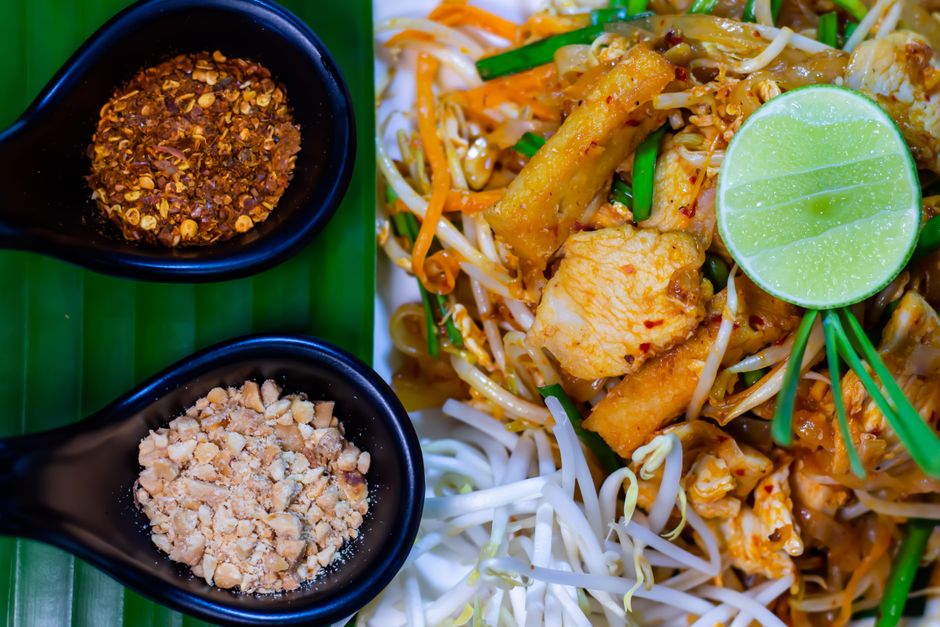
Traditionally, pad thai is served with a squeeze of lime, a sprinkle of crushed peanuts, and often a side of sugar and chili flakes, so that diners can adjust seasoning to their preference. These accompaniments are not merely garnishes; they are meant to enhance the umami and create a personalized experience. The peanuts add a nutty crunch, while lime zest brightens the dish.
Balancing Flavors: Tips for Success
To master the sweet-sour-salty balance, it helps to understand that these flavors are meant to be bold but harmonious. The tamarind should be noticeable but not overwhelmingly tart; the fish sauce should provide depth without becoming pungent; and the sugar should round off the edges without making the dish dessert-like. Start with conservative amounts and adjust gradually. Tasting as you go is essential.
Texture also plays a role in flavor perception. The springiness of the noodles, the crispness of the bean sprouts, and the firmness of the shrimp all contribute to the overall eating experience. Overcooking the noodles can make them mushy and dilute flavors; undercooking can leave them chalky. Practice with small batches to develop an intuition for the right duration.
Another consideration is the choice of shrimp. Using unshelled shrimp can add extra flavor, but shelling them off lets you focus on the sauce. If you prefer a more substantial protein, you could use chicken, tofu, or a combination, but the cooking times will differ. The recipe here is a robust starting point; feel free to adapt it according to your preferences and availability of ingredients.
Common Pitfalls and Solutions
One frequent issue is that the noodles stick to the wok or become gluey. This usually happens when the heat is too low or the noodles are overcooked before stir-frying. Always soak them briefly and add them to a hot wok with enough oil. If sticking occurs, add a small amount of water to release them from the pan, but do so sparingly.
Another mistake is adding too much sauce at once, resulting in a soupy or overly salty final. The sauce should coat the noodles thinly. If you find the dish too dry, a dash of water or stock can create a bit of steam; if it is too wet, let it cook longer to evaporate excess liquid.
Finally, authentic tamarind paste contains seeds and fibers that must be removed. Skipping the straining step can leave gritty bits in your dish. Take the time to strain after soaking, and you will appreciate the difference in texture.
Remember that cooking is an iterative process. Each attempt will deepen your understanding of how these ingredients interact. By emphasizing technique and ingredient quality, you can create a pad thai that is both authentic and tailored to your taste.
Exploring Variations and Adaptations
While this recipe focuses on shrimp, pad thai can be made with chicken, beef, or exclusively vegetables. For a vegetarian version, substitute soy sauce for fish sauce and consider adding more tofu for protein. The tamarind sauce is vegan, so the base remains the same. Additionally, some regions in Thailand include dried shrimp and pickled radish, which add an extra umami dimension. These ingredients are not essential but can be incorporated if you wish to explore traditional variations.
The level of heat can also be adjusted. Thai chili flakes or fresh chilies can be added to the sauce for a spicy kick. Some cooks serve chili vinegar on the side, which provides a tangy heat that complements the dish. Ultimately, the ratio of sour to sweet to salty can be tweaked to suit your palate, but the cornerstone is authentic tamarind paste, which provides the signature tang that defines pad thai.
As you practice this recipe, you will likely discover your own preferred balance. Keep notes on the amounts you use and the results you achieve, as this will help you refine your technique. Over time, you may find that you can adjust on the fly, tasting and tweaking as you cook.