Build a Nutrient-Packed Buddha Bowl with Quinoa and Roasted Chickpeas
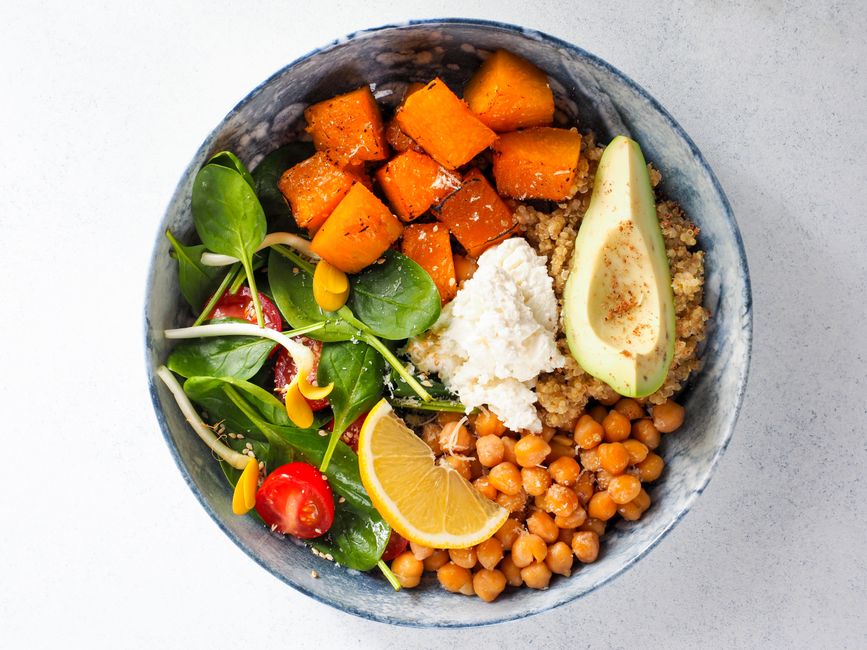
Creating a balanced and satisfying meal often involves considering a variety of textures, flavors, and nutritional components. A Buddha bowl offers a versatile approach to assembling a wholesome dish centered on whole foods. This guide focuses on one particular combination: quinoa as a base, roasted chickpeas for protein and crunch, fresh leafy greens for vibrancy, and a creamy tahini dressing to bring the elements together. The process is straightforward, yet the result can be adapted to personal preferences and dietary needs.
This article outlines the steps for preparing these core components, along with suggestions for additional vegetables and variations. The intent is to provide a clear methodology for creating a nutrient-dense bowl that can be tailored to individual tastes. Whether for a quick lunch or a planned dinner, the assembly follows a logical order that promotes both aesthetic appeal and nutritional balance.
Understanding the Core Ingredients
The foundation of this bowl lies in the selection and preparation of its main ingredients. Quinoa, an ancient grain, is naturally gluten-free and provides a complete protein profile, making it a valuable staple in plant-based eating. Its mild, slightly nutty flavor pairs well with a range of accompaniments. Roasted chickpeas offer a hearty texture and a good source of plant-based protein and dietary fiber. When roasted, they develop a crisp exterior that contrasts nicely with softer components. Leafy greens, such as spinach, kale, or mixed greens, contribute essential vitamins and minerals, along with a fresh, tender base. The tahini dressing, made from sesame seeds, adds a rich, nutty creaminess that helps unify the flavors.
Each ingredient plays a specific role, and understanding these roles can guide preparation. For instance, quinoa requires thorough rinsing to remove its natural bitter coating, saponin. Roasting chickpeas involves drying them well to achieve optimal crispness. The choice of greens can influence the overall taste and texture; heartier greens like kale may benefit from massaging with a bit of oil or lemon juice to soften them. The dressing can be adjusted in consistency and flavor according to preference, with additions such as lemon juice, garlic, and water to achieve the desired pourable texture.
Preparing the Quinoa Base
Quinoa serves as the starchy foundation that absorbs flavors and provides sustained energy. To prepare it, begin by measuring the quinoa and rinsing it under cold running water in a fine-mesh sieve. This step is essential to remove the bitter-tasting saponins that coat the seeds. After rinsing, combine the quinoa with water in a saucepan in a ratio of approximately 1 part quinoa to 2 parts water. For enhanced flavor, it is possible to substitute water with vegetable broth.
Bring the liquid to a boil, then reduce the heat to a simmer and cover the pot. Allow it to cook for about 15 minutes or until the quinoa has absorbed the liquid and become tender. The grains will become translucent and show a small white spiral, which is the germ, indicating doneness. Once cooked, remove the pot from the heat and let it sit, covered, for an additional 5 minutes. Then, fluff the quinoa gently with a fork to separate the grains. Season lightly with salt, and consider adding a drizzle of olive oil or a squeeze of lemon juice to brighten the flavor. The quinoa can be made ahead of time and stored in the refrigerator for several days, making it convenient for meal preparation.
Roasting Chickpeas for Crispiness
Roasted chickpeas add a satisfying crunch and a savory depth to the bowl. Start with cooked chickpeas, either from a can or prepared from dry beans. If using canned chickpeas, drain them in a colander and rinse thoroughly. The key to achieving crispness is to dry the chickpeas completely. Pat them with a clean kitchen towel or paper towels, removing as much moisture as possible. Any residual water or oil can hinder the crisping process.
Preheat the oven to 400°F (200°C). In a bowl, toss the dried chickpeas with a small amount of olive oil and your choice of seasonings. Common options include smoked paprika, ground cumin, garlic powder, and a pinch of salt. For a spicier kick, add a dash of cayenne pepper. Spread the chickpeas in a single layer on a baking sheet lined with parchment paper. Roast for 30 to 40 minutes, shaking the pan every 10 minutes to ensure even cooking. The chickpeas should become golden and crisp. Keep an eye on them to prevent burning. After removing them from the oven, allow them to cool for a few minutes; they will continue to crisp as they cool. If not using immediately, store them in an airtight container, though they are best enjoyed fresh for maximum texture.
Creating the Tahini Dressing
The tahini dressing is a simple yet essential component that adds moisture and a cohesive flavor. To prepare it, whisk together tahini, lemon juice, and water in a bowl. Start with equal parts tahini and lemon juice, then add water gradually while whisking until the dressing reaches a pourable consistency. The ratio can be adjusted based on desired thickness; a thinner dressing will coat ingredients more lightly, while a thicker one may be drizzled or spooned.
Enhance the dressing with a minced garlic clove, a splash of maple syrup or honey for a touch of sweetness, and salt to taste. Mix well until smooth. If the dressing becomes too thick, add more water, one tablespoon at a time. Alternatively, for a creamier texture, incorporate a spoonful of Greek yogurt or a non-dairy alternative. The dressing can be prepared in advance and stored in the refrigerator for up to a week. Allow it to come to room temperature before serving, and give it a stir to recombine.
Assembling the Buddha Bowl
With all components prepared, the assembly process allows for creativity and personalization. Begin by choosing a wide, shallow bowl to showcase the individual components. Place a generous bed of fresh leafy greens as the first layer. This provides a colorful foundation and a crisp texture. Next, add a scoop of quinoa over the greens, spreading it evenly or creating a distinct section. Follow with a portion of roasted chickpeas, arranging them in the bowl to create visual interest.
Add additional vegetables of choice, such as avocado slices, cherry tomatoes, shredded carrots, or pickled red onions. These extra ingredients contribute to the nutritional profile and add various textures. The idea is to compose the bowl with each component in its own section or grouped together for a striking presentation. Finally, drizzle the tahini dressing over the entire bowl or serve it on the side, allowing diners to add as much as they like. Garnish with sesame seeds, fresh herbs, or a sprinkle of black pepper if desired. The bowl can be enjoyed immediately, or refrigerated for later consumption.
Variations and Serving Suggestions
This Buddha bowl is highly adaptable to seasonal availability and individual preferences. For instance, roasted sweet potatoes, Brussels sprouts, or bell peppers can be included to add sweetness and color. Protein options could include tofu, tempeh, or edamame for those seeking alternatives to chickpeas. The dressing can also be varied by incorporating miso, ginger, or herbs like cilantro and parsley. The bowl works well as a complete meal for lunch or dinner, and it is also suitable for meal prep, as the components can be stored separately and assembled as needed.
To make the bowl more filling, one might increase the portion of quinoa or add a starchy vegetable like roasted potatoes. For a lighter version, reduce the amount of quinoa and increase the greens. The nutritional balance can be adjusted to meet dietary goals, such as higher protein or lower carbohydrate content. The key is to maintain a balance of macronutrients and to include a variety of colors and textures for both visual appeal and nutrient diversity.
In conclusion, building a Buddha bowl with quinoa, roasted chickpeas, leafy greens, and tahini dressing is a straightforward process that encourages both culinary creativity and mindful eating. By following the steps outlined above, one can prepare a wholesome and flavorful meal that is both satisfying and adaptable. This method not only yields a delicious bowl but also provides an opportunity to explore an array of ingredients and flavor combinations, making each creation unique.